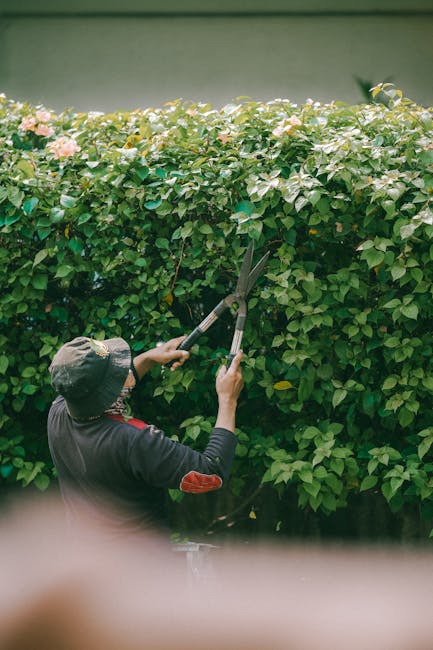
Avoid hidden costs with West Ham gardening service quotes
Getting gardening work done should feel straightforward. A clear price, a clear scope, and no awkward surprises when the job is finished. Yet in real life, garden quotes can be messy. One gardener includes waste removal, another treats it as an extra. A third prices the first visit only, then adds charges for overgrowth, access issues, or disposal. That is where Avoid hidden costs with West Ham gardening service quotes becomes more than a phrase - it is the difference between a sensible spend and a bill that grows legs.
If you are comparing local gardeners in West Ham, or anywhere nearby in East London, this guide will help you spot hidden extras before they appear. We will look at how quotes are built, what to ask, what to check in the small print, and how to judge whether a quote is genuinely good value. It is practical stuff, but useful stuff. And truth be told, the cheapest quote is very often not the cheapest job.
Table of Contents
- Why hidden costs matter
- How gardening service quotes are usually put together
- Key benefits of a transparent quote
- Who this is for and when it makes sense
- Step-by-step guidance for checking a quote
- Expert tips for better results
- Common mistakes to avoid
- Tools, resources and recommendations
- Law, compliance, standards and best practice
- Options and comparison table
- Case study example
- Practical checklist
- Conclusion
- Frequently asked questions
Why hidden costs matter
Hidden costs matter because gardening work is rarely one simple task. A "quick tidy-up" can turn into pruning, bagging, loading, transport, disposal, and a second visit if access is awkward. If the quote does not spell out where one job ends and the next begins, you can end up paying more than you expected. Not always by a huge amount, but enough to sting.
There is also a trust issue. A quote that looks neat but leaves out essentials can create tension later, even when the gardener has done nothing wrong. And let's face it, nobody wants to argue about green waste bags when the hedge has already been cut and the drive is full of clippings.
For homeowners, landlords, and busy property managers in West Ham, clarity is especially valuable because jobs are often time-sensitive. Maybe the garden needs sorting before a tenancy move-in. Maybe the lawn has got away from you after a wet spell. Maybe you are planning a bigger refresh and want to compare pricing and quotes carefully before choosing between simple maintenance and fuller landscaping.
Key point: the goal is not just a cheaper quote. It is a quote you can actually rely on.
How gardening service quotes are usually put together
A proper gardening quote normally starts with the basics: what needs doing, how long it is likely to take, how many people are needed, and what materials or equipment are involved. Then a sensible provider will factor in access, disposal, safety, and any specialist work. That sounds obvious, but a lot gets squeezed into a short message or a hurried phone estimate.
Here is the typical structure behind a transparent quote:
- Scope of work: the exact tasks to be completed, such as mowing, hedge trimming, or garden clearance.
- Labour time: the hours or visit length needed to finish the job properly.
- Materials: things like mulch, topsoil, fixings, or replacement plants if included.
- Waste removal: bagging, loading, transport, and disposal of clippings or rubble.
- Access and setup: narrow side paths, rear access only, parking limitations, or carrying materials through the property.
- Risk factors: uneven ground, height work, heavy clearance, or tree-related work that needs extra care.
If you are booking recurring work, such as garden maintenance or lawn mowing, the quote may also reflect frequency. A one-off visit often looks different from a monthly service, because repeat work is usually easier to plan and price.
The best quotes explain assumptions. For example: "based on normal access," "includes removal of two green bags," or "extra disposal charge if waste volume exceeds the estimate." That sort of language is useful, not suspicious. It shows the gardener has thought the job through.
There is a small but important detail here: a quote is not the same thing as a vague estimate. An estimate is a ballpark. A quote should be firmer. If that distinction is blurred, hidden costs love to creep in.
Key benefits and practical advantages
When a gardening quote is transparent, everyone relaxes a bit. You know what you are paying for, and the gardener knows exactly what has been agreed. Simple, really.
The main advantages are:
- Fewer surprises: you are less likely to face add-on charges at the end of the job.
- Better comparisons: it becomes easier to compare quote like-for-like, not apples and pears.
- More confidence: you can make a decision without guessing what has been left out.
- Better planning: useful if you are budgeting for multiple outdoor projects.
- Cleaner communication: fewer misunderstandings about what will happen on the day.
There is also a softer benefit that people overlook: a detailed quote often reflects a more organised business. That does not mean a plain quote is always bad, but when you see a provider taking care to explain materials, labour, and disposal, it usually signals that they have done this enough times to know where costs can get messy.
If the job is more complex - say, clearing an overgrown rear garden, trimming hedges, and possibly adding new planting or structural changes - a transparent quote gives you room to separate essential work from optional extras. That helps you decide what to do now and what can wait until later.
Who this is for and when it makes sense
This approach matters for almost anyone arranging outdoor work, but some people need it more than others.
It makes sense if you are:
- a homeowner comparing local gardeners for a one-off or regular service;
- a landlord or letting agent needing a reliable turnaround between tenancies;
- a tenant wanting to leave a garden tidy and avoid disputes over what was agreed;
- a business or shared-property manager keeping outdoor space presentable;
- someone arranging a bigger seasonal refresh before spring or autumn;
- a customer balancing simple upkeep against larger works like garden clearance or hedge trimming.
It is especially relevant when the garden has not been touched for a while. Overgrowth changes everything. What looked like a quick trim may turn into a half-day job once branches, brambles, and hidden waste are uncovered. A fair quote should reflect that, but it should still explain the basis for the price so you are not left wondering where the numbers came from.
And if you are unsure whether you need a maintenance visit or a broader refresh, a useful place to start is the services overview. That usually helps separate routine work from more involved jobs such as tree lopping and removal or new landscape gardening.
Step-by-step guidance
Here is a simple process you can use before you accept any quote. Nothing fancy. Just a disciplined way to avoid the usual traps.
- List the work clearly. Write down exactly what you want done. For example: mow front and back lawn, trim one hedge, remove cuttings, tidy borders. Do not rely on "general garden tidy" unless you are happy with loose pricing.
- Ask what is included. Does the quote cover labour only, or labour plus waste removal? Are materials extra? Is VAT included if applicable? Ask now, not after the job.
- Check access assumptions. If the gardener needs to carry waste through the house, up steps, or through a narrow side passage, that can affect time and price. It is better to mention it upfront.
- Separate essential work from optional work. If you also want new planting, edging, or decking-related improvements, ask for separate line items. That makes decisions easier and reduces confusion. You may find that decking services or broader landscaping need their own quote entirely.
- Ask about waste. Waste disposal is one of the most common hidden-cost areas. Confirm whether green waste, soil, timber, and mixed rubbish are handled differently.
- Request a written breakdown. Even a short email is better than a phone promise. It gives you something to refer back to if the scope changes.
- Compare more than price. Look at clarity, responsiveness, and whether the provider explains their pricing logic. A slightly higher quote can still be better value if it covers everything properly.
One small practical tip: if the garden is badly overgrown, take a few photos in daylight before requesting quotes. A damp evening shot after rain is not ideal; everything looks more dramatic than it is. Morning light is your friend.
And if the work is urgent, say so. A rushed job often becomes an expensive job simply because nobody had time to define the scope carefully.
Expert tips for better results
In our experience, the best way to keep garden quotes honest is to ask specific, unglamorous questions. The kind people skip because they feel a little awkward. Don't skip them.
- Ask how the quote was calculated. Was it based on time, area, plant count, waste volume, or a fixed job price?
- Ask what would count as extra. For example, hidden rubble, unusually heavy waste, or work beyond the agreed boundary.
- Ask whether the price changes if the weather delays the job. That matters for bigger outdoor projects.
- Ask if there is a minimum call-out charge. A small job can still carry a base fee.
- Ask about machinery and equipment. Sometimes a quote assumes hand tools only, while others include specialist equipment.
Another good habit is to keep your job request tidy. If you ask for "everything" in one go, quotes often become vague. If you ask for a trim, a clearance, and a redesign all at once, you may get a price that hides complexity instead of explaining it. Breaking the work into clear parts makes pricing fairer for everyone.
Expert summary: clarity beats clever pricing every time. The quote that is easiest to understand is usually the safest one to approve.
Small human note: a lot of people feel uneasy questioning a gardener's price, as if they are being difficult. You are not. You are being sensible. There is a difference.
Common mistakes to avoid
Most hidden costs come from a few repeat mistakes. Avoid these and you are already ahead of the game.
- Choosing the cheapest quote without reading the detail. Low headline pricing can hide waste disposal, travel, or extra labour.
- Assuming "garden tidy" means the same thing to everyone. It doesn't. One person imagines a light trim; another imagines a near-clearance.
- Not asking about disposal. Green waste and mixed waste are not always treated the same way.
- Forgetting to mention access issues. If a provider arrives expecting easy side access and finds none, costs can rise.
- Leaving specialist work to be discovered on the day. Tree work, heavy clearance, or structural tasks may need separate planning.
- Relying on verbal quotes only. They are easy to misunderstand. A short written summary saves hassle.
One especially common mistake is comparing quotes only by total price, without checking what is included. That is how people end up paying twice: once for the initial job and again for the "extras" that should really have been part of the original conversation.
It sounds obvious, but a lot of customers also forget to confirm whether the quote is fixed or provisional. If something is provisional, ask what would need to happen for the price to change. That one question can prevent a surprisingly uncomfortable afternoon.
Tools, resources and recommendations
You do not need a complicated toolkit to avoid hidden costs. A few basic things make a real difference.
- A notes app or notebook: keep each quote, question, and answer in one place.
- Phone photos: useful for showing the state of the garden before work starts.
- A simple checklist: scope, waste, access, time, materials, and follow-up.
- Email confirmation: helpful when you want a written record of what was agreed.
On the website side, it is also worth reading pages that explain how a company works before you book. For example, about us can help you understand the team's approach, while payment and security is useful if you want to know how transactions are handled. If safety matters for your project - and for tree work or heavy clearance it certainly should - the page on insurance and safety is a sensible read.
If sustainability matters to you, it is also worth looking at recycling and sustainability. Garden waste does not disappear by magic, after all. Someone has to sort, transport, and dispose of it responsibly.
For general housekeeping, the legal pages are worth a glance too, especially terms and conditions and the complaints procedure. Not the most thrilling reading, granted, but useful if you want to know how issues are handled.
Law, compliance, standards and best practice
For gardening work, the main point is not to overcomplicate things. You usually do not need to become a compliance expert to ask for a fair quote. But some common UK expectations are worth keeping in mind.
First, if a job involves waste removal, it should be handled responsibly. Reputable providers normally factor this into the quote or explain it separately. Second, if a job involves height, heavy lifting, chainsaws, or tree-related work, safety matters a great deal. That is where insurance, proper equipment, and sensible working methods become important, not optional extras.
If you are hiring someone to work on your property, best practice is to use a provider who can explain its process clearly, keep communication in writing where practical, and treat access, safety, and disposal as part of the job rather than an afterthought. That is exactly the sort of thing that helps prevent hidden costs later.
It is also wise to remember that some work may have local restrictions or practical limits depending on the site, timing, or scale. You do not need to know every detail in advance. You just need to ask enough questions to understand what could change the price. Reasonable, really.
For that reason, transparency is the strongest best practice of all. A clear scope, a clear price basis, and a clear explanation of what could trigger an extra charge - that is the sweet spot.
Options and comparison table
When you are comparing gardening services, it helps to look at the pricing style as much as the price itself. A quote can be structured in a few different ways, and each approach has pros and cons.
| Quote style | What it usually means | Potential risk | Best for |
|---|---|---|---|
| Fixed-price quote | A set price for a clearly defined job | Extras may still be added if the scope changes | Clear, well-defined jobs |
| Estimate | An approximate price based on current information | The final bill can move if the job is bigger than expected | Uncertain or survey-based jobs |
| Time-based pricing | Charged by the hour or half-day | Can be hard to predict total cost | Flexible or open-ended work |
| Itemised quote | Each task or cost line is listed separately | Can look more expensive at first glance | Projects where you want maximum clarity |
If you are unsure which format suits you, itemised quotes are often the easiest to review. They make it simpler to remove optional work, compare providers, and see where hidden costs might be lurking. Fixed-price quotes are great too, as long as the scope is properly defined. A quote that is fixed in name only is not much use, obviously.
Case study or real-world example
Here is a realistic example based on the kind of jobs that come up all the time in West Ham.
A homeowner asks for a quote for a back garden tidy-up. The garden has an overgrown hedge, a patchy lawn, and a pile of old clippings near the shed. One provider gives a short message: "Garden tidy GBP220." Another provides a breakdown: hedge trimming, lawn cut, border tidy, green waste removal, and a note saying that if hidden rubbish is found under the clippings, it would be priced separately after agreement.
At first glance, the shorter quote looks cheaper and easier. But once you ask questions, you realise it does not include disposal. The customer chooses the second quote because it is clearer, even though the headline price is a little higher. On the day, the job finishes with no surprise add-ons because everyone already knows what is included.
That is the practical lesson. A good quote does not just tell you the price. It tells you the shape of the job. And that shape matters when the hedge is thicker than expected or the green waste piles up faster than anyone predicted.
Sometimes the best part is simply not having to argue later. Honestly, that is worth something on its own.
Practical checklist
Use this checklist before you approve any gardening quote:
- Have I listed the exact tasks I want done?
- Do I know whether waste removal is included?
- Have I mentioned all access issues, steps, parking limits, or side passage restrictions?
- Do I understand whether the price is fixed, estimated, or hourly?
- Have I asked what counts as an extra?
- Is the quote written down, even if only by email?
- Do I know whether materials are included or charged separately?
- Have I checked whether the provider explains safety and insurance clearly?
- Am I comparing the actual scope, not just the headline price?
- Have I kept a copy of everything agreed?
If you can tick most of those boxes, you are in a strong position. No need to overthink it.
Get a free quote today and see how much you can save.
Conclusion
Hidden costs usually do not appear because someone is trying to be awkward. More often, they appear because the job was not defined clearly enough at the start. That is why the smartest way to Avoid hidden costs with West Ham gardening service quotes is to ask precise questions, compare scopes carefully, and get key details in writing.
Whether you need simple lawn care, a hedge cut, a garden clearance, or a bigger outdoor project, the same rule applies: clear scope, clear price, clear expectations. If something feels vague, slow down and ask again. That one extra minute can save a lot of frustration later.
And if you are still deciding what kind of work your garden actually needs, the most helpful next step is usually a well-explained quote from a local team that values transparency. Calm, straightforward, no drama. Exactly how it should be.
Because a tidy garden is nice. A tidy bill is even better.
Frequently Asked Questions
How do I avoid hidden costs in a gardening quote?
Ask exactly what is included, whether waste removal is covered, how access affects pricing, and what would count as an extra charge. Get the answer in writing if you can.
Is the cheapest gardening quote usually the best value?
Not always. A cheap headline price may leave out disposal, materials, or enough labour time to finish the job properly. Value comes from clarity as much as cost.
Should a gardening quote include waste removal?
It often should, but not always. The important thing is that the quote clearly says whether waste removal is included or charged separately, especially for clearance work.
What is the difference between a quote and an estimate?
A quote is usually firmer and based on a clearer scope. An estimate is more approximate and may change if the work turns out to be more complex than expected.
Why do gardening quotes change after the gardener arrives?
Usually because the original job description missed something important, such as hidden waste, difficult access, extra overgrowth, or specialist work that was not discussed earlier.
What should I ask before accepting a garden maintenance quote?
Ask what visits include, how often the work will happen, whether cuttings are removed, and whether any seasonal tasks are part of the price. If you want regular upkeep, check the details carefully.
Do I need a written gardening quote?
It is strongly recommended. A written quote or email summary gives you a record of the agreed scope and helps prevent misunderstandings later.
How can I compare two gardening quotes fairly?
Compare the scope of work, waste removal, materials, labour time, and any assumptions. Two quotes can look very different simply because one includes more of the job than the other.
What if my garden is badly overgrown?
Say so upfront and share photos if possible. Overgrown gardens often need more labour and disposal than a normal tidy, so the quote should reflect that clearly.
Are gardening quotes affected by access problems?
Yes, they can be. Narrow access, no parking nearby, stairs, or long carrying distances may add time and affect the final price if they were not mentioned at the start.
How often should I review garden maintenance pricing?
If your garden changes with the seasons or you add new features, review the price periodically. A maintenance quote that made sense last year may need updating now.
What should I do if I think a hidden charge has been added unfairly?
Check the original quote first and compare it with what was agreed. If the charge was not explained, raise it calmly through the company's complaints process and ask for clarification before paying more than necessary.